Living in Edinburgh as an expat
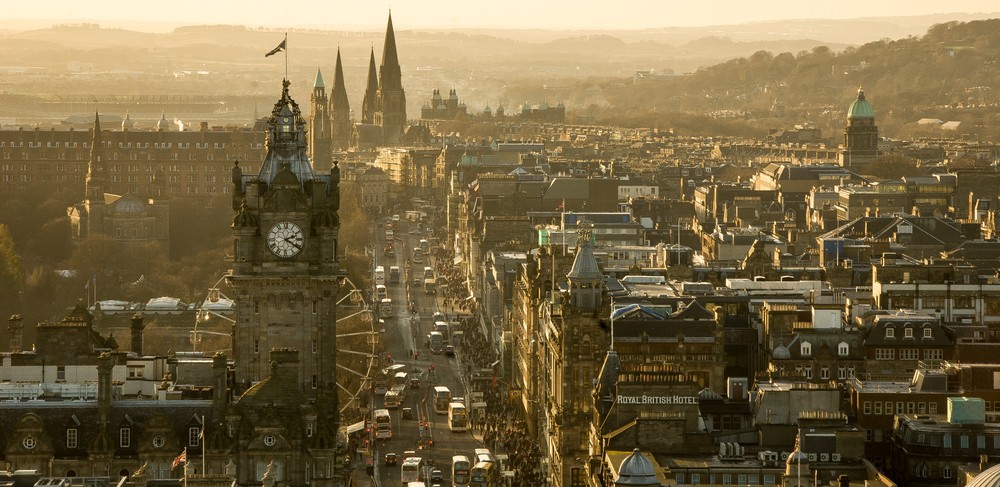
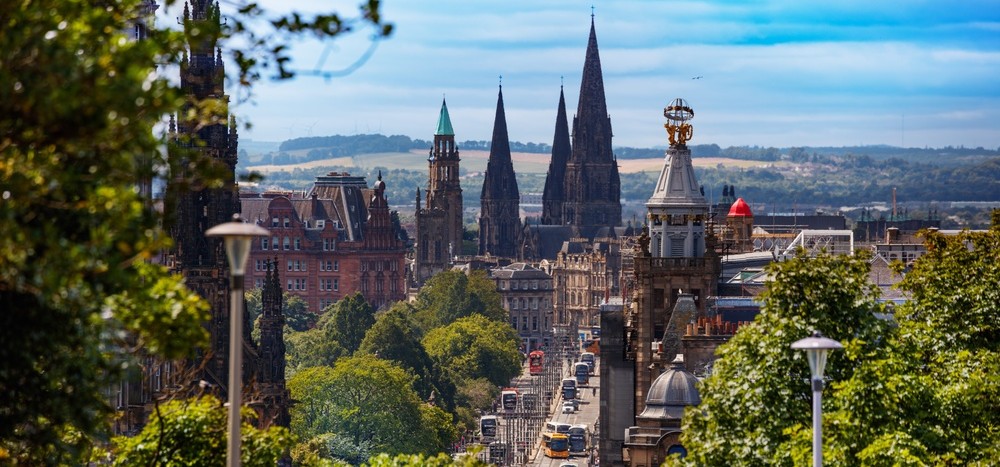
Although easily eclipsed by Glasgow in terms of population, Edinburgh holds its own as Scotland's capital and is a destination beloved by tourists and expats alike. Expats moving to Edinburgh are welcomed by a city with a rich history, vibrant culture, and postcard-pretty scenery, not to mention a booming financial services industry.
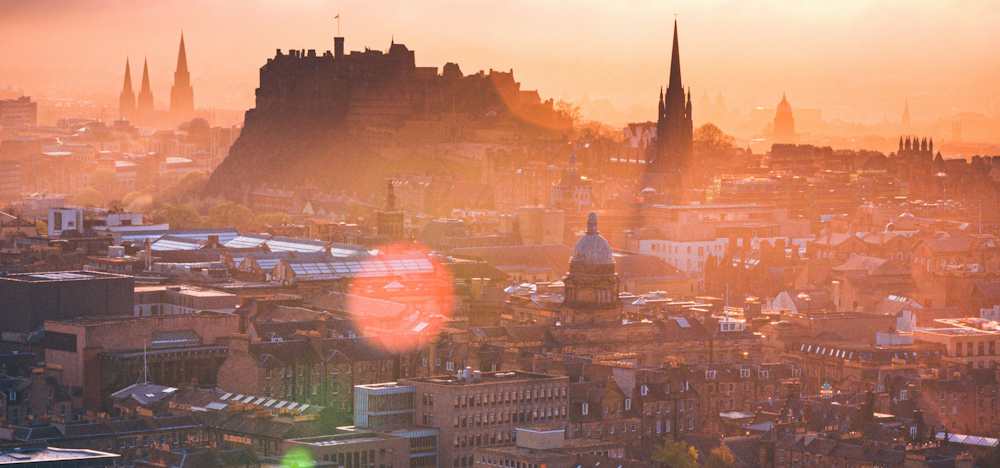
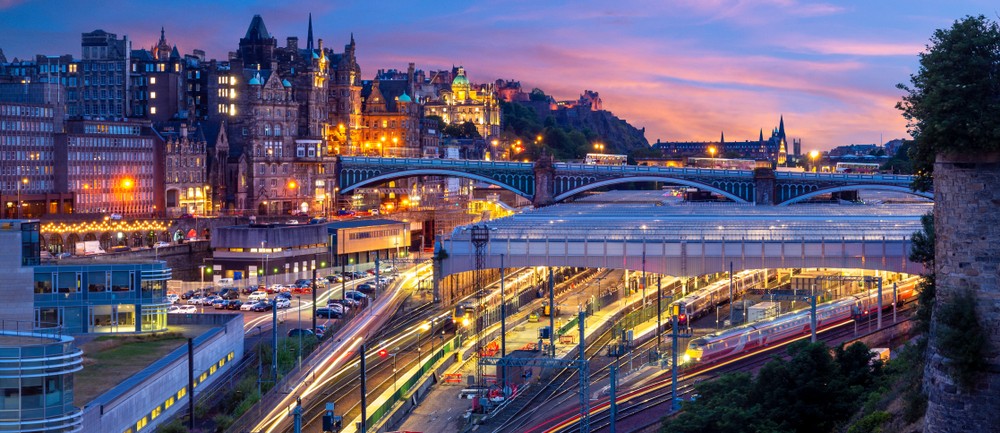
Edinburgh is located in the southeast of Scotland, less than an hour from Glasgow by train, and a little more than four hours from London by high-speed rail. The town centre is dominated by Edinburgh Castle, situated atop Castle Rock and perched above the medieval Old Town and the Georgian New Town. To the west lies the West End district, which includes the city's financial hub.
Working in Edinburgh

As the location of the Scottish Parliament, the University of Edinburgh, and the Bank of Scotland, Edinburgh is home to many of the country’s political, legal, educational, and financial leaders.
Expats aiming to work in Edinburgh should be prepared to enter a highly skilled workforce, as most employees have some level of tertiary education.
Lifestyle in Edinburgh
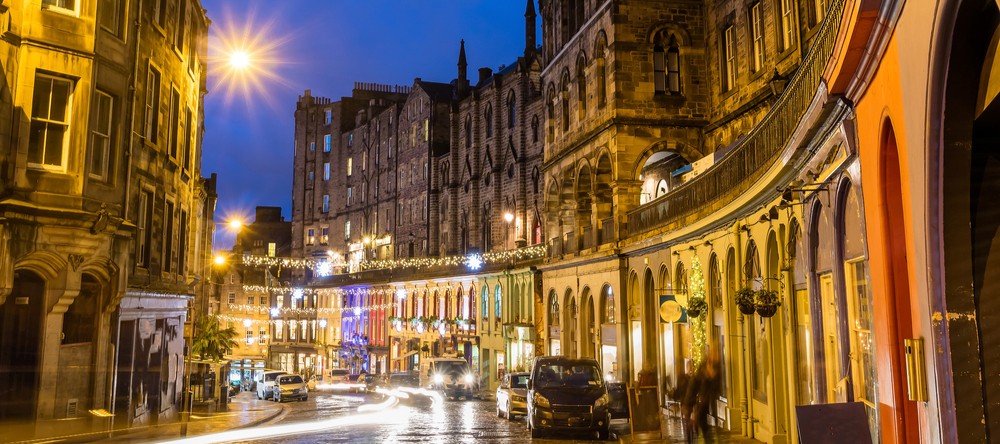
The lifestyle in Edinburgh offers expats a wide variety of shopping and dining out experiences. And for the night owls, there are plenty of fun and affordable nightlife options, thanks to Edinburgh's status as a university city. Meanwhile, those looking for a more relaxed atmosphere are sure to enjoy the numerous comedy bars and theatres dotted around the city. Those with an outdoorsy disposition won't feel left out – the city's many green spaces and beautiful countryside lend themselves to a host of outside activities.
Shopping, Restaurants and Outdoor Activities in Edinburgh
Finding accommodation in Edinburgh
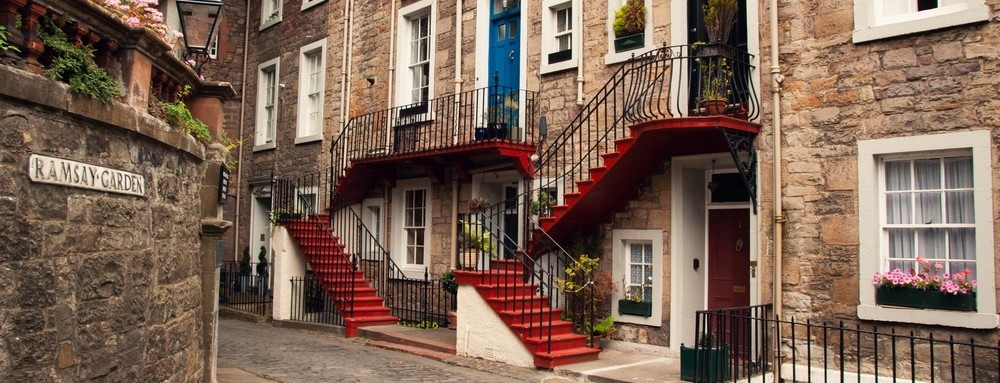
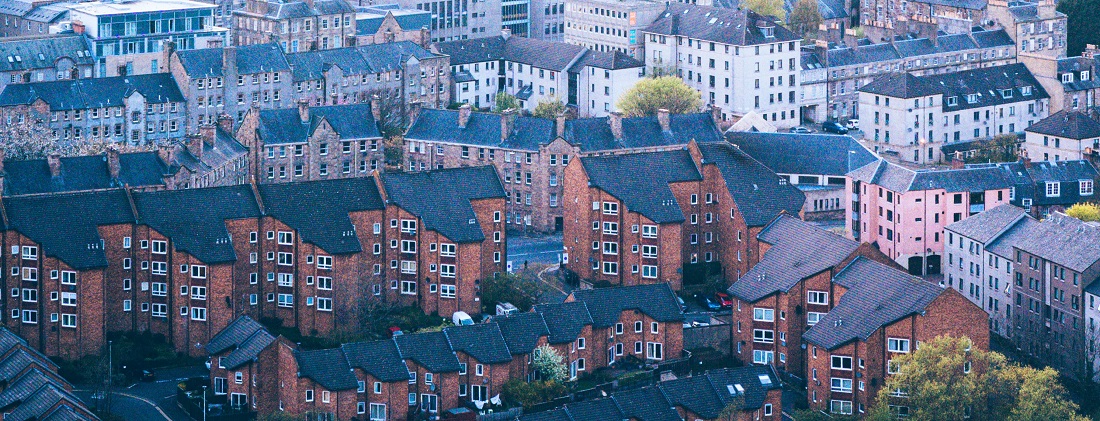
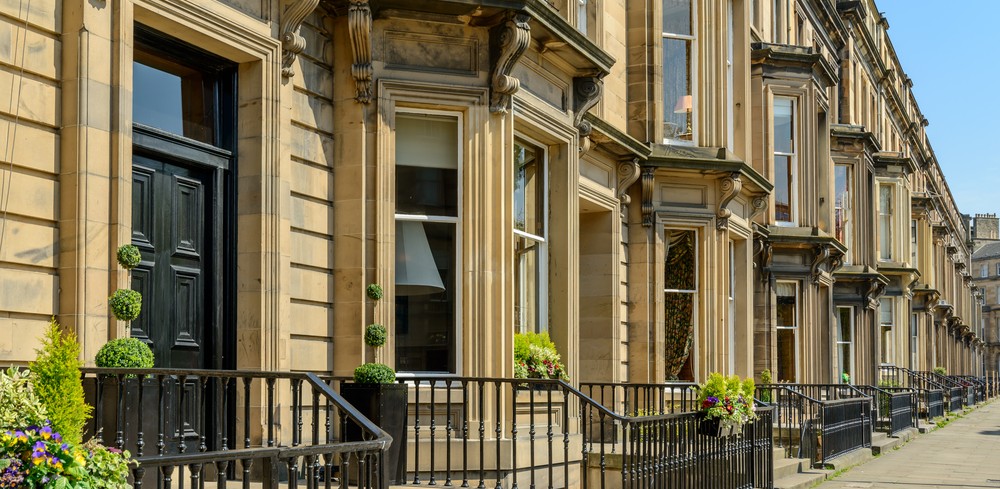
With high demand and limited space, finding accommodation in Edinburgh can be a somewhat harrowing experience. There's a wide variety of beautiful historic options along with a handful of newer builds, but you'll need to move fast once you find something you like. Make sure you have the required documentation ready and submit your application to rent as soon as possible.
Renting Accommodation in Edinburgh
Cost of living in Edinburgh
When compared with other major expat hubs such as Hong Kong, Singapore, and New York, the Scottish capital's cost of living is rather reasonable. Although one of the more expensive cities to live in the UK, Edinburgh is comfortably more affordable than London.
Accommodation in the city is pricey, and expats will have to ensure their salary is high enough to bear the cost if they are to live comfortably.
Living with children in Edinburgh

Expats moving to Edinburgh with a family can take comfort in a reputable state-funded healthcare system. There is also plenty for families to see and do in their leisure time, including picnics in the many lovely green spaces dotted around the city, hikes in its hills, and many spectacular museums, theatres, and old buildings to explore.
Best Hospitals in Edinburgh
See and Do in Edinburgh
Finding a school in Edinburgh
Those moving with children will be glad to know that Edinburgh has a free, world-class education system. State school attendance is based on catchment zones, so expat parents should do some research into this before deciding where to live in Edinburgh.
There are also numerous excellent independent schools in Edinburgh, one of which offers the highly regarded International Baccalaureate (IB). The IB is especially popular among expat families for its global focus and easy transferability worldwide.
Education and Schools in Edinburgh
Getting around in Edinburgh
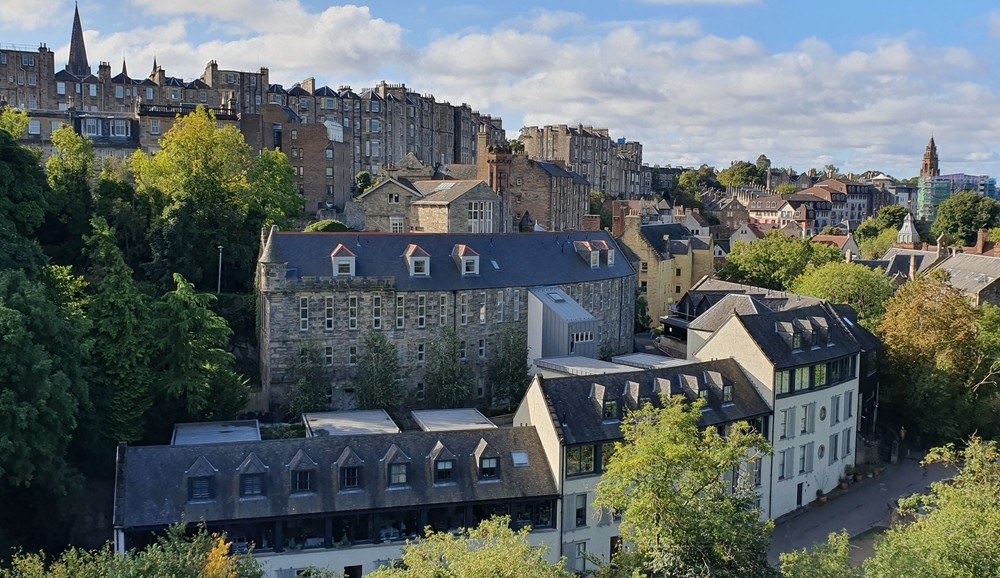
The city is a pedestrian-friendly mosaic of open green space, intermixed with the cobbled alleyways of Old Town and the wide Georgian avenues of New Town. An easy-to-use public transport system connects nearby suburbs, and even makes the coasts and countryside accessible for a quick weekend break.
Public Transport and Driving in Edinburgh
Climate in Edinburgh

One element that expats can struggle to adapt to is the consistently grim winter weather, when shortened days, sparse sunlight, and high winds and rainfall can lead to melancholic moods.
Most expats report that they get used to the grey skies after a while, but new arrivals should be prepared, as their first long winter may come as a bit of a shock to the system.
With a full event calendar and an impressive selection of pubs to help take the nip out of the winter air, expats moving to Edinburgh can look forward to embracing a high quality of life in the Scottish capital.