
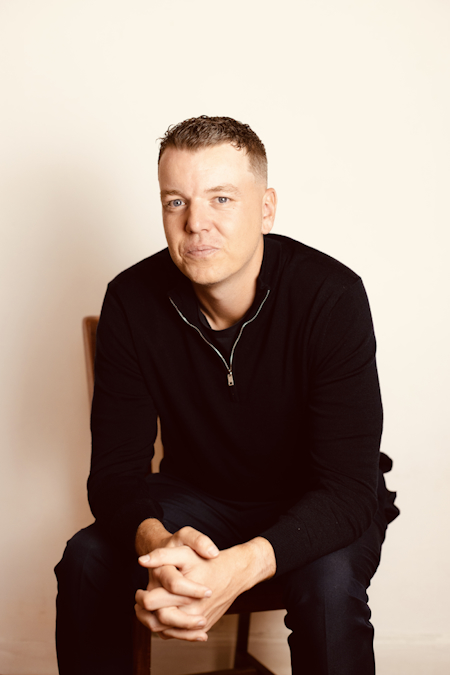
John is originally from the UK. Before Mexico, he spent seven years in Spain and five in London, so he’d already done the expat thing a couple of times over before landing in Mexico City in 2021. What was meant to be a sabbatical after selling his company turned into a permanent move, helped considerably by the fact that his wife is Mexican. They’re now raising three young children here.
Having been through the whole relocation process himself, he went on to found a consultancy, ViaMexico, that helps others make the same move. If you’d like to know more, have a look at his website or connect with him on LinkedIn.
About John
Q: Where are you originally from?
A: I am originally from Scotland.
Q: What country and city did you move to?
A: I moved to Mexico City, Mexico
Q: When did you move?
A: I moved in 2021
Q: Is this your first expat experience?
A: No, far from it. I spent seven years in Spain and five in London before Mexico. Spain massively helped with the language.
Q: Did you move here alone or with a spouse/partner or family?
A: I moved with my wife (who is Mexican) and my two-year-old son, and I have since gone on to have two other children.
Q: Reason for moving?
A: I sold my company in London and planned to have a sabbatical. I fell in love with Mexico and ended up staying. The people, the food, the weather, the culture. I absolutely love it and have no regrets.
Living in Mexico City
Q: What do you enjoy most about Mexico City and Mexico in general?
A: I love the people, the culture, the food, the weather, and the different sections you have in Mexico City (whether that be Polanco or the Centro). I love how you can have Michelin-starred restaurants or tacos on the street. I love that you can take weekend breaks without thinking.
Q: Have you had any low points? What do you miss most about Scotland?
A: The first year was hard, mainly building friendships and relationships from scratch, which took longer and needed more effort from me than it ever did back home. It did come good eventually, but it wasn’t quick. You also learn there’s often a ‘gringo tax’ on things, and you learn to spot it. And you learn that ahorita can mean anything from five minutes to three hours, that one takes some adjusting to. What I miss most is friends and family, and, on a lighter note, people not turning up two hours late to a dinner reservation.
Q: What misconceptions about Mexico City, if any, have you learned were not true?
A: Mainly safety. Everyone back home was terrified when I told them I was moving to Mexico City. But I’d just come from London, and it’s the same logic; there are areas you wouldn’t wander into there, and there are areas you wouldn’t wander into here. You learn the city, you use common sense, and day to day, it feels far more normal than the headlines suggest.
Q: What are the biggest adjustments you had to make when settling into expat life in Mexico City? Did you experience culture shock at all?
A: I came from a country where you open a bank account online, you apply for your internet and get an installation slot on the spot, where renting just means passing a credit check. Here, it’s a different world. Opening a bank account means jumping through hoops, renting an apartment often requires a fiador, a guarantor who owns property in Mexico, and getting the internet connected can take a string of phone calls and a fair bit of patience. Nothing is impossible, but things take longer and ask more of you.
Q: What’s the one thing people most underestimate about moving to Mexico?
A: The administrative and financial side: People plan emotionally, the weather, the food, the lifestyle, but underestimate how much the practical setup will test their patience. The residency income and savings thresholds are higher than most expect and have been rising year on year.
Opening a bank account, getting your residency card, and finding a landlord who’ll accept you: none of it is impossible, but it all takes longer and demands more documentation than people are used to. My honest advice is to budget more time and more paperwork than you think you’ll need, get your finances in order early, and don’t underestimate the value of someone who’s walked the path before. The people who struggle aren’t the ones who find Mexico hard; they’re the ones who arrived expecting it to work like home.
Q: What are your favourite things to do on the weekend? Any particular places or experiences you’d recommend to fellow expats?
A: I’m lucky to have a group of friends with vacation homes in Malinalco and Valle de Bravo, so we spend a lot of weekends out there. I play golf, and the courses around there are genuinely incredible. It’s also a paradise for the kids; they can mountain bike, go water skiing, and properly run around. Malinalco, in particular, is a stunning pueblo mágico with food and culture to match.
Q: What’s the cost of living in Mexico City compared to Scotland? Are there specific things that are especially expensive or cheap there?
A: Generally, almost everything in London is more expensive than here: rent, eating out, groceries, utilities, tax, the lot. So the headline is that day-to-day life costs noticeably less. But there are real exceptions that catch people out. International schools are a big one: in London, most schools are state-funded and free, whereas in Mexico, private and international schooling is the norm for expat families, and it isn’t cheap. The other surprise is golf, which is extremely expensive here compared to the UK. So it’s not uniformly cheaper across the board, it depends a lot on the specific life you want to lead
Q: What’s public transport like in Mexico City and across Mexico?
A: Honestly, I can’t speak to this one. I’ve never taken a train or a bus in Mexico City; I get around by car and taxi apps, so the public transport system is a blind spot for me. Plenty of expats here use the Metro and rate it, but I’d be making it up if I pretended to have firsthand experience.
Q: What do you think of the healthcare available in Mexico City? What should expats expect from local doctors and hospitals?
A: The private healthcare here is excellent. If you have insurance, the private hospitals are world-class, modern, fast, and the doctors are superb, often a better experience than I had in the UK. The flip side is the public system, IMSS, which is a different story. It’s there as a safety net, but it can mean long waits and a more basic experience, so it’s not really what most expats want to rely on.
Q: What’s the standard of housing like in Mexico City? What different options are available?
A: The standard is genuinely high, often higher than people expect. In the popular expat neighbourhoods, you’ll find beautiful apartments, a lot of them modern, with good security, rooftops, and amenities, alongside gorgeous older buildings in places like Roma and Condesa with real character. At the upper end, in areas like Polanco and Las Lomas, you get into serious luxury: large family homes, gated developments, the lot. The main things to know going in are that furnished and unfurnished both exist (furnished is easy to find in the expat areas), and that renting almost always means dealing with the guarantor requirement.
Q: Are there any areas or suburbs you’d recommend for expats to live in?
A: It really depends on your situation. If you’re single or a young couple, I’d point you towards Roma Norte, Condesa, or Juárez; they’re walkable, full of life, and where a lot of younger expats gravitate. Polanco is a brilliant option, too, if your budget stretches to it. For families, the calmer, more residential areas make more sense – Las Lomas, or Santa Fe, if you want proximity to the schools and a more suburban feel.
Meeting people and making friends in Mexico City
Q: Was meeting people and making friends in Mexico City easy? How did you go about meeting new people?
A: It wasn’t instant, but it came through a few natural channels. The biggest was my children’s school; the parent network there is how I met a lot of people, and it led me to join a golf club, where I made a whole second circle of friends. My wife being Mexican helped enormously, too. I was folded into her family and her existing friendships from Day 1, which is a head start most expats don’t have. Beyond that, it was the usual modern way, getting added to WhatsApp groups, local meet-ups, one introduction leading to the next. The honest lesson is that it takes deliberate effort and a bit of patience, but the routes are there once you start pulling on them.
Q: Have you made friends with locals, or do you mix mainly with other expats? What advice would you give to new expats looking to make friends with the locals?
A: Mostly locals, actually, I have very few foreign friends here. My advice would be to learn the language properly and take the time to understand the culture rather than staying inside the expat bubble. It really does open doors. And it’s nice to be nice. Mexicans are generally very welcoming to foreigners, so if you make a genuine effort, you’ll be met more than halfway.
Working in Mexico City, Mexico
Q: How easy or difficult was getting a work permit or visa? Did you tackle the visa process yourself, or did you enlist the services of an immigration consultant?
A: I got my permanent residency through my son, since he’s Mexican, which is one of the more straightforward routes. Even so, I used an immigration consultant rather than tackling the paperwork alone, and I’d recommend that to most people. The process here rewards knowing exactly which documents to bring, which appointments to book, and in what order, and getting that wrong can cost you weeks. Having someone who navigates it daily made it far smoother than it would have been on my own.
Q: What is the economic climate in Mexico City like?
A: For expats specifically, the city has become a real magnet for remote workers and entrepreneurs, drawn by the lifestyle and the cost-to-quality ratio. From where I sit, it feels prosperous and on an upward trajectory, though, as anywhere, that prosperity isn’t evenly spread across the city.
Q: How does the work culture in Mexico City differ from London?
A: It’s interesting, and I always say this to friends: the culture here runs in three steps – family, food, then work, in that order. First comes the family, then comes the food, and then comes the work. Don’t misread that, Mexicans are some of the hardest-working people I’ve ever come across. But I came from a London working culture where you’re on a train at 6am and not home until 8pm. Here, people work hard, but they don’t let it crowd out their family the way it often does back home. Honestly, it’s something I’ve come to admire rather than just adjust to.
Family and children in Mexico City, Mexico
Q: How has your partner adjusted to your new home?
A: This surprised people, but my wife actually took about as long to adjust as I did. Even though she’s Mexican, she’d spent close to 20 years out of the country, so in many ways she was coming back to a place that had changed as much as she had. It took time, but she’s grown to genuinely love being back and building our life here in Mexico.
Q: Did your children settle in easily? What were the biggest challenges for them during the move?
A: Very easily. My son was two when we moved, so he started school here at that age, already speaking a little Spanish. He now speaks more Spanish than English, and he absolutely loves his school and his friends. At that age, children are remarkably adaptable; the move was far smoother for him than it was for the adults.
Q: What are your favourite family attractions and activities in Mexico City?
A: There’s a huge amount for families here. Chapultepec is one of the largest city parks in the world, with the zoo, museums, and lakes, you can lose a whole day there. The kids love the cinemas and the go-karting, and there are play areas and interactive museums like Papalote Museo del Niño aimed right at younger children. Then there are the weekend getaways we mentioned, Malinalco, Valle de Bravo, where they can mountain bike or get out on the water. Honestly, the variety is one of the best things about raising a family here; there’s always something on, from a quiet afternoon in the park to a full weekend adventure a couple of hours out of the city.
Q: What are the schools in Mexico City like? Any particular suggestions?
A: There’s a huge variety. You’ve got American, British, German, Japanese, and French schools, all the major international curricula, alongside the Mexican public system. The international schools are excellent, really high standard, though as I mentioned, they aren’t cheap. Which one suits you really depends on what you’re after.
Final thoughts
Q: Any advice you’d like to offer to new arrivals in Mexico City?
A: A few things. First, learn the language; even basic Spanish transforms your experience and is the single biggest thing that gets you out of the expat bubble. Second, rent before you buy, and let the city show you which neighbourhood actually fits before you commit. Third, be patient with the bureaucracy. Opening a bank account, getting residency, even setting up internet all take longer and ask more of you than you’re used to, so build in time and get good local help rather than fighting it alone. And finally, come with an open mind. The things that frustrate you at first, the different pace, ‘ahorita’, the slower rhythm, end up being some of the things you grow to love. Mexico rewards people who lean into it rather than resist it.
►Interviewed in June 2026