
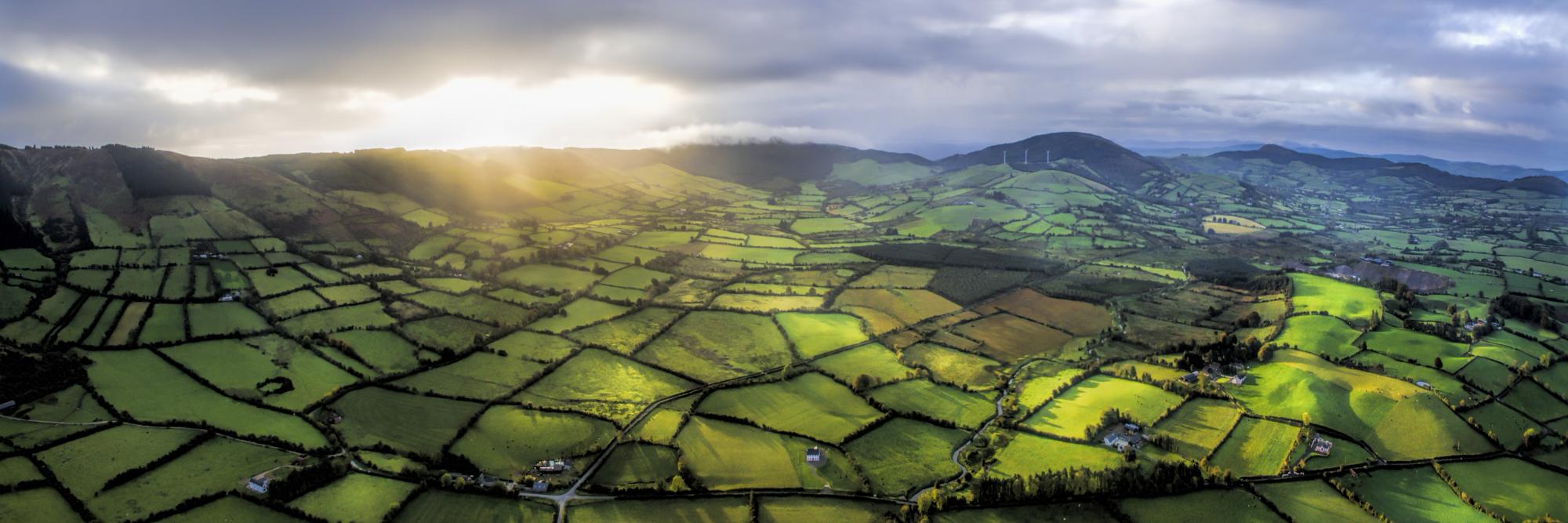
Accommodation in Ireland is diverse, and the type of housing available largely depends on the city or county you settle in. Whether you're looking for a country home, a beachside cottage, or a modern city apartment, you have a range of accommodation types to choose from, the specifics of which will often come down to your lifestyle and location of employment.
Most people living in Ireland rent accommodation rather than buy. That said, it is worth considering buying a property if you plan to live in Ireland for the long term.
When looking for accommodation in Ireland, it is important to consider a property’s proximity to work, good schools, and public transport, especially in the larger cities. Public schools in Ireland generally give priority to children in their catchment areas. Since places are frequently limited, you should try to secure accommodation close to a particular school if you want to send your children there.
Types of accommodation in Ireland
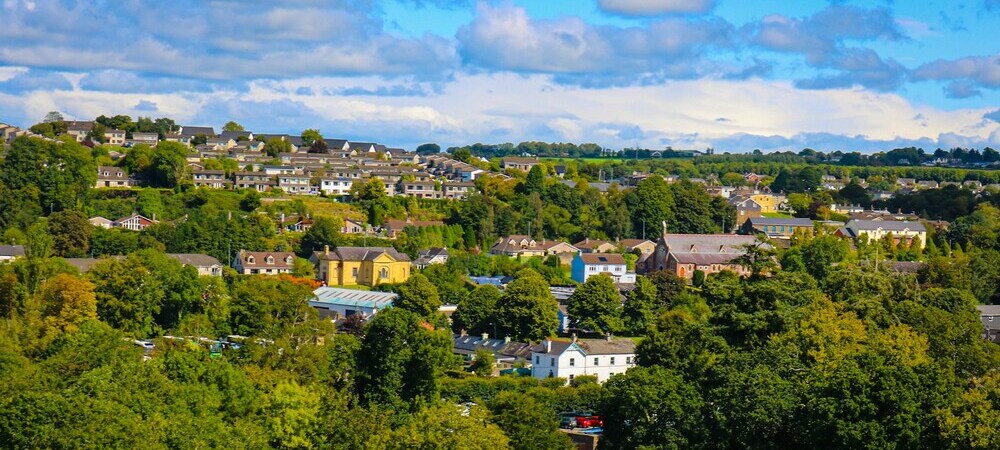
With housing costs continuing to rise in Ireland, particularly in Dublin, you'll contend with the low supply and high demand for accommodation.
The most common types of accommodation in Ireland are apartments, semi-detached row houses, and freestanding houses. The latter are more common in towns and villages, while the former are the norm in cities like Cork and Dublin. Older homes and apartments are usually more spacious, and rental prices drop as you move away from the city centre.
Many younger people and students opt for house shares. These have private bedrooms but share the common living areas of an apartment or house. This is especially popular in high-cost areas like the Dublin city centre and student-heavy neighbourhoods such as Rathmines in Dublin and Western Road in Cork.
Furnished vs unfurnished
Most apartments and houses in Dublin and other cities come fully furnished. This includes couches, tables, dressers, and kitchen appliances. Furnished rentals are more common in urban areas and cost roughly 10 to 20 percent more per month than unfurnished accommodations.
Unfurnished rentals are cheaper but require you to provide all furniture and appliances. Some landlords offer the option of renting either furnished or unfurnished, allowing you to choose based on your preferences and budget.
Short lets
Short lets are available, providing flexibility if you need temporary accommodation. These can be found through estate agents and specialised short-term rental websites. They are ideal for business travellers or those in Ireland for a short duration.
Useful links
Finding accommodation in Ireland

There are plenty of websites that advertise housing in Ireland. The most popular ones are Daft.ie and Rent.ie, which cover rentals nationwide. Many universities also have accommodation portals for student housing.
Online rental sites are the most effective way to find rentals, especially in urban areas. Estate agents are also commonly used, particularly for higher-end properties. Their fees are usually paid by the landlord. Relocation companies are another solid option. Many providers offer house-hunting in addition to regular moving and shipping services.
Newspaper ads, notice boards and word-of-mouth are less common but can still be useful, especially for finding rooms in shared houses. Local supermarkets often have noticeboards where property rentals are advertised.
Useful links
Renting accommodation in Ireland
Making an application
Once you've found a potential new home in Ireland, submit your application promptly. Landlords typically require a completed rental application form, proof of identity, proof of income, and references from previous landlords or employers. You'll also need to provide bank statements to show you can afford the rent. Expect background and credit checks.
Leases
You'll typically choose between fixed-term and periodic tenancies. A fixed-term tenancy lasts for a set period, typically 12 to 24 months, and can only be terminated under specific conditions with proper notice. A periodic tenancy continues indefinitely after the fixed term and can be terminated by either party with appropriate notice.
Common tenancy terms include rent reviews once a year, tenant responsibilities like maintaining the property and paying bills on time, and landlord duties such as providing a safe, habitable environment and respecting your right to quiet enjoyment.
Deposits and fees
In Ireland, a rental deposit usually equals one month's rent and must be paid up front. The deposit is held by the landlord or their agent and returned at the end of the tenancy, barring any rent arrears, unpaid bills, or damages beyond normal wear and tear. Always get a signed receipt for your deposit payment.
Terminating the lease
Ending a periodic tenancy early in Ireland is possible, but tenants must give written notice, with the required notice period depending on how long they have lived in the property, ranging from 28 to 224 days. Unless a fixed-term lease includes a break clause, leaving before the end of the contract can make tenants liable for the outstanding rent, and the deposit may be withheld. Landlords must also follow strict notice rules if they wish to terminate a tenancy, and both parties can appeal disputes to the Residential Tenancies Board (RTB).
Useful links
Utilities in Ireland

The first thing you should know about utilities in Ireland is that there’s no such thing. Gas, water, electricity, and refuse services are referred to as 'the bills'. Mentioning 'utilities' might get you some blank stares.
Tenants are almost always responsible for the cost of the bills. Ireland's energy market is deregulated, so you'll be able to choose your electricity and gas providers. Rubbish collection is privatised, too. Costs can add up, so make sure to leave room in your budget. Water for domestic use, on the other hand, is free and supplied only by Uisce Éireann (Irish Water).
Electricity
ESB Networks maintains the power grid in Ireland, while retail suppliers like Electric Ireland, Bord Gáis Energy, and SSE Airtricity supply electricity at the retail level. Costs vary based on usage, with off-peak rates being around 30 percent cheaper than peak rates.
Gas
Gas is commonly used for cooking and heating. It's supplied via an underground pipe network managed by Gas Networks Ireland. You can choose your gas provider, with options including Bord Gáis Energy, Flogas, and Energia. This allows you to shop around for the best rates.
Bins and recycling
Waste collection services are typically provided by private companies, with costs varying by region. Recycling services are widely available, with most households accessing kerbside collection for common recyclables like paper, cardboard, plastic, and glass. It's also possible to visit recycling depots and landfills.
Internet
Ireland has several major broadband providers, including eir, Virgin Media, Sky, and Vodafone. They offer a range of plans and speeds. Average broadband speeds are around 100 Mbps. Fibre broadband is becoming more widely available, providing faster speeds at higher price points.