
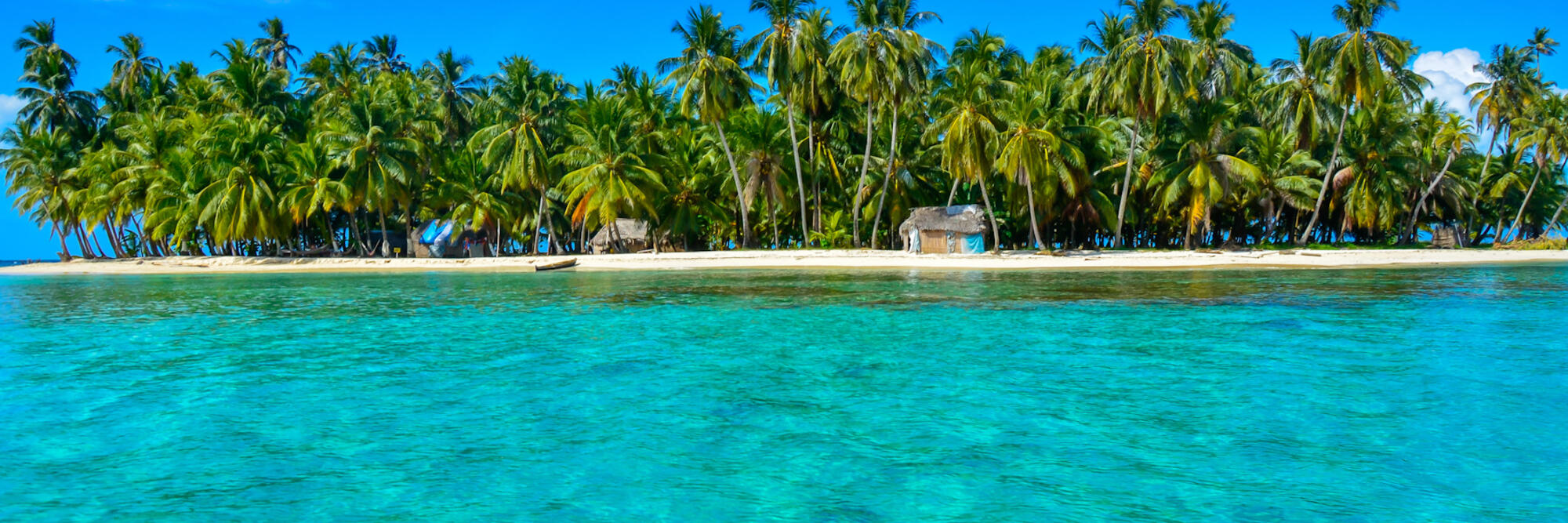
If you are moving to Panama, you are heading for the meeting point of two oceans and two continents. Costa Rica is to the west and Colombia to the southeast. This is a small country of around 4.6 million people, but over the past few years, it has attracted a wave of investors, entrepreneurs, remote workers, and fortune-seekers who want to grow their wealth here.
Panama has shed its developing country reputation to become a haven for expats. Foreigners are drawn to its modern infrastructure, warm climate, relaxed pace of life, and tropical scenery. You will find large expat communities here, especially in Panama City, and a growing number of foreigners are buying holiday homes on Panama’s offshore islands.
Living in Panama as an expat
In years past, many expats in Panama were of retirement age and came for government incentives such as discounts on goods and low-cost medical treatment. The retiree programme is still in place, but in recent years the Panamanian government has worked hard to attract foreign investment, and Panama now has an active community of entrepreneurs and professionals who are building businesses here. One thing to know before you plan to work locally: Panama reserves dozens of professions, including medicine, law, engineering, and accounting, for its own citizens, so foreigners usually run businesses or take unrestricted roles rather than practise a licensed profession.
Locals are known for being warm and welcoming towards new arrivals. Spanish is the official language. English is common in business and tourism, and among younger, city-based Panamanians, but you should not expect it everywhere. You'll find daily life much easier with a working knowledge of Spanish.
You should expect a few cultural and lifestyle adjustments when you move to Panama. If you are from a Western country, you may need time to adjust to the slower pace of life and the lack of some conveniences. Shops often close for lunch, and government offices sometimes shut at awkward times, so you will need a little patience.
The standard of healthcare in Panama is fairly good, particularly in private hospitals in major cities. You should ensure you have a good health insurance policy to gain access to the best care and facilities. Panama is relatively safe compared with other South and Central American countries, and violent crime against foreigners is rare. Burglaries are still common, though, and vehicle break-ins are widespread. The police keep a visible presence on city streets and run regular roadside vehicle checks. You should always exercise caution when using ATMs and be vigilant when walking alone at night.
Cost of living in Panama
People moving to Panama find the cost of living relatively low compared with many major international destinations, although it is no longer the bargain it once was. Panama City is pricier than the rest of the country, and many residents say the capital has become noticeably more expensive in recent years. Even so, it is still more affordable than most North American and European cities.
As more foreigners have moved to Panama, property has become more expensive, especially in and around the capital. Public transport is cheap, and everyday costs outside Panama City are easy to manage.
Families and children in Panama
Families moving to Panama have good schooling options, even though the public system tends to be underfunded. Private and international schools in the country are comparable to those in North America, and although their fees can be steep, the teaching and facilities are strong. Many teach in English or in the language of the school’s home country. That is a big draw for foreign families.
Panama is a tropical country, so expat families have plenty to do outdoors. The beaches are excellent for swimming, snorkelling, diving, and other water sports, and between July and October, you can watch humpback whales along the Pacific coast. Inland, families can hike the trails and picnic in the national parks, and Panama City has plenty of hands-on museums to keep children entertained.
Climate in Panama
Panama has a tropical climate, and it is hot year round. The rainy season lasts from May to December, and the remaining months are dry. There is little temperature variation, although October and November are a touch cooler, and the humidity is high. March and April are usually the hottest months. You can expect temperatures between 74°F (23°C) and 85°F (30°C) throughout the year.
Many people who move to Panama end up staying far longer than they planned. They come for the scenery, the low cost of living, the healthcare, and the relaxed lifestyle, and they find it hard to leave.
Fast facts
Official name: Republic of Panama
Population: Around 4.6 million
Capital city: Panama City (also the largest city)
Other cities: David, Colón, Santiago, La Chorrera
Neighbouring countries: Panama is bordered by Costa Rica to the west and Colombia to the southeast.
Geography: Panama is the isthmus that connects Central America to South America. It has sandy beaches, turquoise seas, dense rainforest, and volcanic mountains down much of its length. The Panama Canal is a shipping route between the Atlantic and Pacific oceans, and one of the country’s defining features.
Political system: Unitary presidential constitutional republic
Major religion: Roman Catholicism
Main language: Spanish (official). English is common in business and tourism.
Money: The Panamanian Balboa (PAB) is divided into 100 cents, but people use the United States Dollar (USD) for day-to-day transactions, and it is the paper currency in circulation. ATMs and card facilities are widely available.
Tipping: In Panama, tipping is voluntary, and no business may add a service charge without your consent. Around 10 percent is customary at sit-down restaurants for good service, and some already include a 10 percent servicio charge.
Time: GMT-5 (no daylight saving)
Electricity: 110V, 60Hz. Panama uses Type A plugs (with two flat blades) and Type B plugs (with an additional grounding pin), as in the United States and Canada.
Internet domain: .pa
International dialling code: +507
Emergency contacts: 104 (police), 103 (fire), 911 (ambulance)
Transport and driving: Panamanians drive on the right-hand side of the road. Panama City has a reliable and extensive public transport network. For travel around the country, the long-distance coaches from Panama City’s Albrook terminal are generally reliable, but many expats fly to save time on longer trips.