
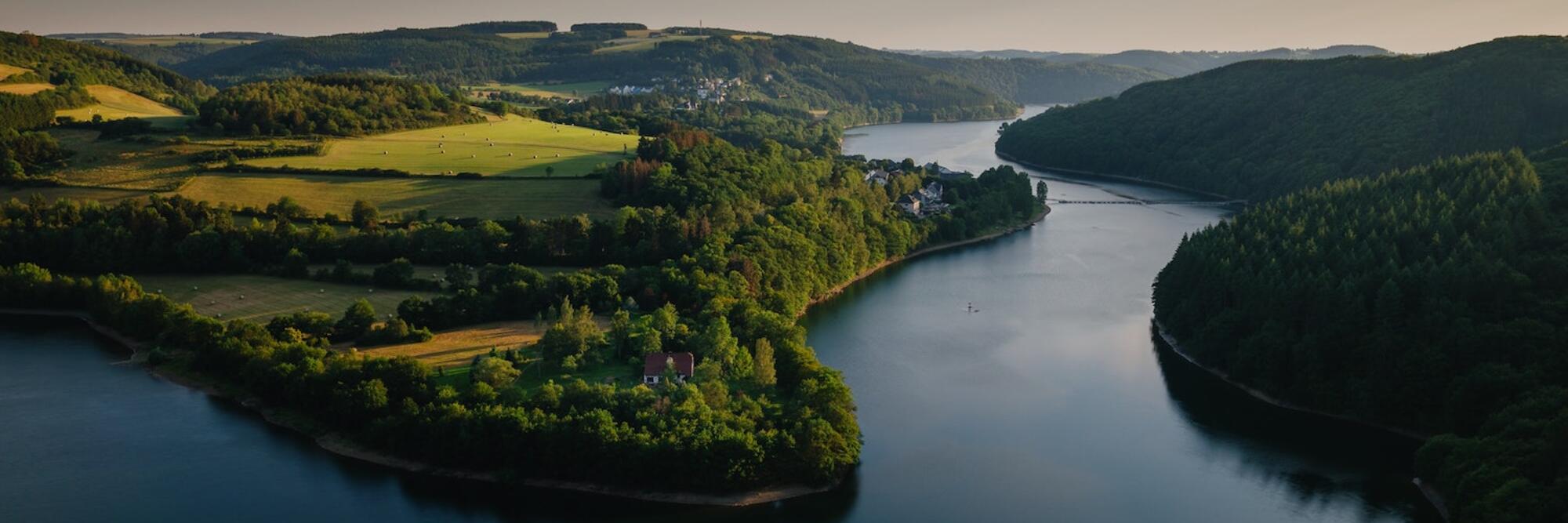
Expats moving to Luxembourg will find themselves in a small, landlocked country bordered by Belgium, France, and Germany, known for its cosmopolitan capital and excellent quality of life. Luxembourg has a large foreign population and a strongly international character, so expats moving here should feel at home whether they settle in the capital or the countryside.
Living in Luxembourg as an expat
Living in Luxembourg as an expat usually means living in or near the capital, as this is where the majority of foreign residents live. Most jobs are based in Luxembourg City, and it has a real cosmopolitan feel. The rest of the country is quieter and greener but just as comfortable.
The largest industry in Luxembourg by far is banking and investment funds. IT and logistics are also growing. Steel is still important, and ArcelorMittal has its global headquarters in the capital.
In 2020, Luxembourg became the first country in the world to make all public transport free. The network of buses, trains, and trams is clean and reliable, and you'll only have to pay if you cross the border or want to travel first class.
Public Transport and Driving in Luxembourg
Local Culture in Luxembourg
Diversity and Inclusion in Luxembourg
Cost of living in Luxembourg
The cost of living in Luxembourg is high, especially in the capital. Housing is the biggest expense, and food and clothing cost more than many newcomers expect. On a typical expat salary, though, new arrivals in Luxembourg can still live comfortably.
Cost of Living in Luxembourg
Working in Luxembourg
Accommodation in Luxembourg
Families and children in Luxembourg
There's a lot on offer for families and children in Luxembourg, even if the country's education system takes some getting used to. The public schools are well resourced, and the teachers are well qualified, but they teach in three languages (Luxembourgish, German, and French), which is a real hurdle for many expat children. The country also has a good number of international schools that teach in English and follow globally recognised curricula such as the International Baccalaureate, and these help smooth the move for expat families.
On a sunny day, you can head to the country's many parks, playgrounds, hiking trails, and zoos. The country's museums are a good fallback on the many rainy days.
Luxembourg has some of the best healthcare provision in Europe. Health cover is compulsory and funded by contributions from workers and employers. The public healthcare system reimburses most medical costs, but private healthcare is also available.
Education and Schools in Luxembourg
Healthcare in Luxembourg
Climate in Luxembourg
Cold winters and mild summers are typical of the climate in Luxembourg. You can expect temperatures between 57°F (14°C) and 66°F (19°C) in the summer, while winter temperatures are generally just above 32°F (0°C). Rain is common and plentiful throughout the year in Luxembourg, although in the warmer months, you can expect around seven hours of sunshine a day.
Weather and Climate Chart in Luxembourg
Moving to Luxembourg means a high standard of living. Healthcare and schools are good, and public transport is free. Crime rates are low too, so safety is rarely a concern here. It's a small country, but it has plenty to offer.
Fast facts
Official name: Grand Duchy of Luxembourg
Population: Around 690,000
Capital city: Luxembourg City (also the largest city)
Other cities: Esch-sur-Alzette, Differdange, Dudelange
Neighbouring countries: Luxembourg is bordered by Belgium to the north and west, Germany to the east, and France to the south.
Geography: Luxembourg has rolling uplands and wide, steep valleys. The Ardennes foothills are in the north, which is the hilliest part of the country. The land is lower and flatter towards the southeast, where the Moselle River flows along the German border.
Political system: Unitary parliamentary constitutional monarchy
Major religion: Roman Catholic
Main language: Luxembourgish, French, and German (all official). English is widely spoken.
Money: The currency is the Euro (EUR). ATMs are widespread in Luxembourg, and expats should be able to use their credit cards throughout the country.
Tipping: A service charge is generally included in the bill at restaurants in Luxembourg. An additional tip isn't required, but most diners will leave a euro or two for good service.
Time: GMT+1 (GMT+2 from the last Sunday in March to the last Sunday in October)
Electricity: 230V, 50Hz. Plugs with two round pins are largely used.
Internet domain: .lu
International dialling code: +352
Emergency contacts: 112 (ambulance and fire), 113 (police)
Transport and driving: Cars drive on the right-hand side of the road. The public transport system in Luxembourg is extensive and reliable, and it is free to use within the country.